In Just Over Two Months: European Union’s Global Data Protection Regulation Takes Effect
As the European Union’s Global Data Protection Regulation (GDPR) looms on the horizon, you might wonder: why should South African businesses pay attention? While this legislation originates from Europe, its impact resonates far beyond geographical boundaries. Let’s delve into why GDPR holds relevance for South African enterprises.
GDPR Implications for Businesses with an Online Presence
The straightforward answer is that GDPR applies to any business handling the personal data of EU citizens. But wait, there’s more! Even if your business operates solely within South Africa, you could find yourself subject to GDPR’s reach.
A Closer Look: PoPIA and Its Relationship with GDPR
While the South African Protection of Personal Information Act (PoPIA) and GDPR are distinct in their origins – with PoPIA being South African law and GDPR stemming from the EU – they share significant commonalities. PoPIA draws inspiration from GDPR, aiming to safeguard personal information and privacy rights, not just for individuals, but also for legal entities like businesses and trusts.
Unveiling the Shared Foundation
The essence of both regulations lies in acknowledging data privacy as a fundamental human rights concern. Organizations must embark on a cultural shift, recognizing this imperative and redefining data policies. This shift entails adapting to requirements and designing organizational frameworks that ensure accountability, thus addressing data governance challenges.
Navigating the Compliance Journey
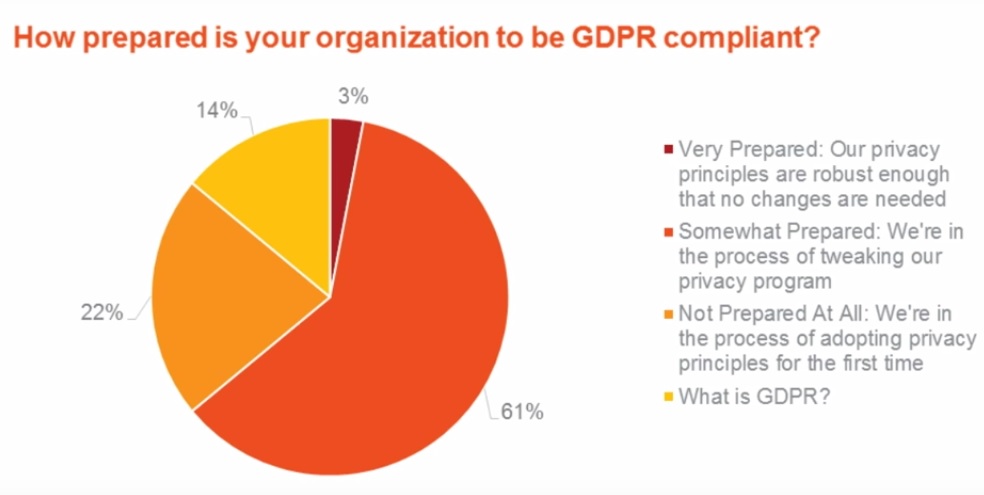
Attempting to achieve PoPIA or GDPR compliance within a mere twelve months is a formidable task. Reflecting on a survey conducted by Compliance Week prior to GDPR’s implementation in May 2018, it’s clear that many companies struggled to meet the deadline. Delays, therefore, are not a viable option for South African companies.
PoPIA Compliance: Best Practices Informed by GDPR
Effective strategies for achieving and maintaining GDPR compliance also prove relevant to PoPIA. The survey points to several best practices for achieving and maintaining GDPR compliance that are equally relevant to PoPIA
- Cover all four pillars: People, Process, Technology, and DAta
- Use a top-down approach to ensure results can be sustained
- GDPR / PoPIA are principle-based
- GDPR / PoPIA are about the responsible use of data
- People use data, through processes that are enabled by technology
- Involve everyone: Data privacy regulations need board-level sponsorship and coordination, and joint leadership from legal, IT, HR and other business stakeholders
Crafting a Data-Centric Framework
Both GDPR and PoPIA necessitate the creation of robust frameworks that delineate how personal data is managed and utilized. Beginning with data governance principles paves the way for an achievable and sustainable framework.
The Urgent Call to Action
For companies that neglected GDPR preparations leading up to the May 2018 deadline, the consequences were palpable. As PoPIA’s deadline approaches, let us heed the lessons learned and strive for proactive compliance.
By embracing these principles, South African businesses can navigate the complexities of data protection, align with global standards, and reinforce their commitment to safeguarding personal information. The time for action is now, for the stakes are higher than ever.
Stay informed, stay compliant, and pave the way for a more secure digital future.
 Data Quality Matters
Leave a comment