Discover the importance of maintaining data integrity during migration processes. Our comprehensive guide on how to migrate data with integrity ensures that your valuable data remains accurate, consistent, and reliable, safeguarding your business operations and decision-making.
When it comes to modernizing our living spaces, a common piece of advice often surfaces: “Never put new tiles over old pipes.”
This sage counsel, rooted in practicality and foresight, extends beyond the realm of home improvement and holds a profound relevance in the digital landscape of data management.
Just as outdated plumbing systems can undermine the longevity and functionality of a newly renovated space, neglecting data quality when migrating to new systems can jeopardize the very foundation of an organization’s data ecosystem.
A Tale of Bathrooms and Pipes
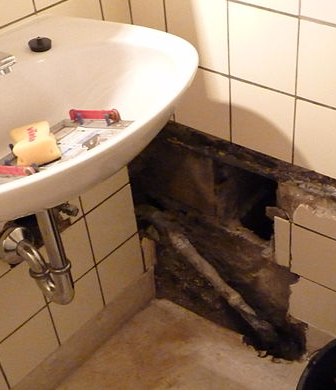
Earlier this year, as we embarked on the journey to modernize our bathrooms that had remained virtually untouched since their construction in the 1960s, we encountered a situation that carried a valuable analogy for the world of data. These bathrooms, while functional in their own right, were marred by dated decor and layout quirks that were increasingly out of sync with contemporary aesthetics and comfort standards.
During the planning phase of this renovation project, our seasoned plumber shared a nugget of wisdom: “Never lay new tiles over old pipes.” This seemingly straightforward advice was pregnant with significance. Our original galvanized pipes, more than six decades old, appeared remarkably robust on the surface. However, as we delved deeper and unearthed these relics of the past, we uncovered the telltale signs of decay. A slow leak here, a potential burst there – the pipes harboured hidden vulnerabilities that had the potential to flood our newly designed haven.
The decision was clear – the dated pipes had to go. In their place, we ushered in a new era of durability and reliability, adorning the bathrooms with shiny, corrosion-resistant copper piping. The result? An assurance that our investment in modern tiles and pristine sanitaryware remained safeguarded for years to come.
The Parallels in Data Migration
In the digital landscape, where data reigns supreme as the cornerstone of decision-making, we encounter a striking parallel. How often do we embark on system modernization or migration endeavours, lured by the allure of innovative interfaces and enhanced functionalities, while turning a blind eye to the underlying data?
Much like those antiquated pipes, poor-quality data can infiltrate even the most cutting-edge systems, festering silently until the moment of reckoning arrives. The consequences can be dire – erroneous insights, skewed analytics, and compromised operational efficiency. In this context, the plumber’s wisdom echoes louder than ever: “Never put new tiles over old pipes.”
Akin to plumbing, data migration necessitates a holistic approach that addresses not only the visible surface but also the intricate network that underpins it. Failure to integrate data quality into the migration process can lead to the persistence of pre-existing issues, much like the corrosive leaks that lay dormant
Demolition and Data Disruption
Consider the scenario of demolition and remodelling during home improvement. The very act of knocking down walls, shifting structures, and hammering nails can unearth latent problems in the form of weakened structures or fragile connections. Similarly, the migration of data to a new architecture can unveil previously concealed data quality issues.
As data transitions from one format to another, the process can expose hitherto undiscovered anomalies. Data types might clash, reference data might require consolidation, and new structures might emerge. Just as construction activities can induce stress fractures, data migration can introduce discrepancies that have the potential to snowball into significant challenges downstream.
A Blueprint for Successful Data Migration
1. Address Data Quality Early
Much like the plumber’s insistence on prioritizing sound pipes, data quality should take precedence from the outset. Identify and rectify data issues before initiating the migration process. This proactive approach can prevent the propagation of inaccuracies in the new system.
2. Data Profiling and Cleansing
Thoroughly profile and cleanse the data before migration. Scrub away inconsistencies, redundancies, and inaccuracies that could compromise the integrity of the new system.
3. Data Mapping and Transformation
Map the data from the old system to the new one with meticulous attention to detail. Implement robust data transformation processes to ensure compatibility and accuracy.
4. Data Validation and Testing
Rigorous testing is paramount. Validate the migrated data against the source to identify and rectify discrepancies. This step ensures that the new system’s output aligns with expectations.
5. Continuous Monitoring and Improvement
Data quality isn’t a one-time affair. Establish mechanisms for ongoing monitoring and improvement to prevent the accumulation of latent issues.

A Call to Action
As you contemplate embarking on your own system migration journey, consider the lessons from the world of renovation and plumbing. Just as new tiles deserve a solid foundation of modern pipes, your innovative systems warrant the bedrock of pristine data quality.
Reach out to us to explore how data quality can be seamlessly integrated into your migration strategy, ensuring a smooth transition and a future marked by accurate insights and unwavering operational excellence.
Cultivate a pathway for successful data migrations through informed strategies and best practices. Explore our insights on paving the way for successful data migrations to ensure seamless transitions and minimize disruptions.
Avoid data migration failures by prioritizing data integration. Delve into the reasons why overlooking data integration leads to data migration failures and optimize your migration strategies.
Remember, in the realm of data management, the maxim remains unchanged: Never put new applications over old, compromised data.
Connect with us to embrace data quality and unlock the true value of your enterprise’s information assets.
 Data Quality Matters
Leave a comment