In today’s data-driven world, organizations are grappling with an ever-increasing volume of data. To effectively manage and harness the power of data, they often turn to specialized tools. Two such tools, data modelling tools and data catalogues, play crucial roles in the data management landscape. But what are these tools, and do you need one, the other, or both? Let’s dive into the world of data management to discover the differences between these tools and when your organization might benefit from their use.
Understanding Data Modelling
Data modelling is the process of creating an abstract representation of real-world objects and the relationships between them, all of which are relevant to your business. These objects could be customers, accounts, transactions, or any other entities your organization deals with. The primary goal of data modelling is to define how these objects and relationships will be represented and stored within a database.
The data modelling process typically involves three key phases:
- Conceptual: At this stage, a conceptual data model provides a high-level view of the data your enterprise uses to support its business processes. It doesn’t get bogged down in specific systems or databases but instead serves as a reference for understanding high-level data storage and processing requirements.
- Logical: The logical data model delves deeper, capturing detailed attributes that make up each object. For instance, when modelling a customer, you would include attributes like name, address, and telephone number.
- Physical: Physical data models get into the technical nitty-gritty, documenting specifics relevant to the intended database management system, such as data types and field lengths.
The Role of Data Modelling Tools
Data modelling tools are instrumental in facilitating the data modelling process. They support a top-down approach to database design, aligning perfectly with the three phases mentioned earlier. With these tools, data modellers can create conceptual, logical, and physical data models. These models serve as blueprints for developers, who then implement them in a database. Some advanced tools even automate the generation of code and data structures based on the graphical design.
Key functions of data modelling tools include:
- Managing Complexity: Enterprise data landscapes can be complex. Data modelling tools help data modellers keep track of this complexity.
- Graphical Representation: They provide a graphical representation of the design, making it easier for stakeholders to visualize.
- Template for Developers: These tools offer templates that developers can use for implementation.
While data modelling tools primarily serve technical users, they can also be valuable for communicating with business stakeholders.
Introducing Data Catalogues
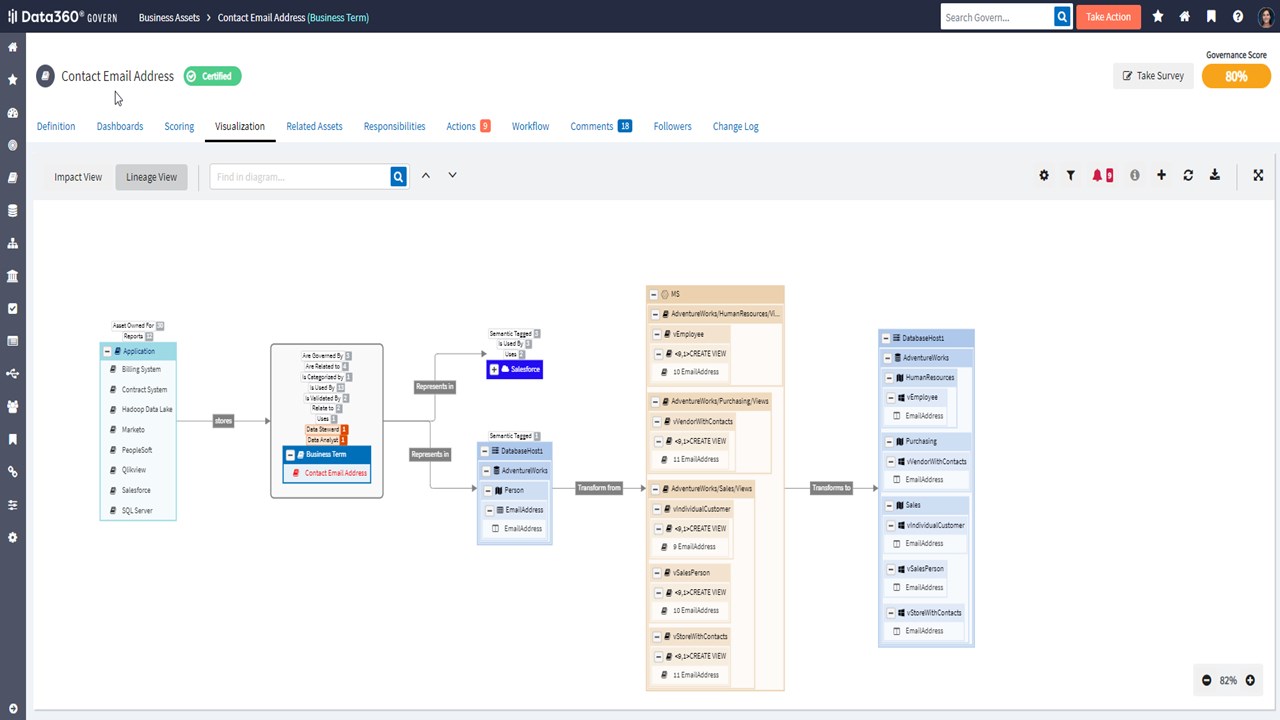
Now, let’s shift our focus to data catalogues, which take a different approach to data management. Data catalogues support a bottom-up approach to database design. They leverage algorithms to discover actual data models and present them to data modellers and the business.
Humans then come into play, adding crucial business context to the discovered data models. This context includes information about the business systems, processes, and reports that use or populate the data set. When data models don’t exist beforehand, this automated approach can save significant time and effort in documenting a data landscape.
Data catalogues offer several key advantages:
- Visibility: They make data visible within and across the enterprise, providing a physical location where data resides.
- Contextualization: By adding business context, data catalogues empower data scientists, analysts, and decision-makers to find the most suitable data for their specific requirements.
- Single Source of Truth: Data catalogues establish a single source of truth for all data-related information. This can streamline data stewardship workflows and provide essential audit trails for decision-making processes.
Do You Need Both?
In practice, most organizations will find value in having both a data modelling and a data cataloguing capability. These tools can complement each other, forming a robust data management ecosystem.
Ideally, the two should communicate and work in tandem. The data catalogue can update the physical data models within the modelling tool as new data is discovered or changes occur. Simultaneously, the modelling tool can link conceptual and logical design changes into the catalogue, making them readily accessible to business stakeholders.
This synergy ensures that your organization not only designs databases effectively but also understands and utilizes the data within them to the fullest potential.
In conclusion, data modelling tools and data catalogues are essential components of modern data management strategies. While their approaches may differ, their ultimate goal is the same: to help organizations derive value from their data assets. By embracing both tools and fostering collaboration between them, your organization can unlock the true potential of its data and make more informed decisions in the ever-evolving data landscape.
 Data Quality Matters
Leave a comment