In today’s data-driven world, the value of data has become increasingly evident. Organizations are investing heavily in data resources, not just as a byproduct of their operations, but as a primary driver for growth and innovation. Data monetization has emerged as a key strategy, but it’s not simply about selling internal data to third parties. Instead, it’s about harnessing the potential of data through investments in data products like curated datasets and analytics models. These assets empower decision-makers to make informed choices, ultimately driving business success. However, several common scenarios, as identified by data access management platform provider Okera, can impede attempts to monetize internal data.
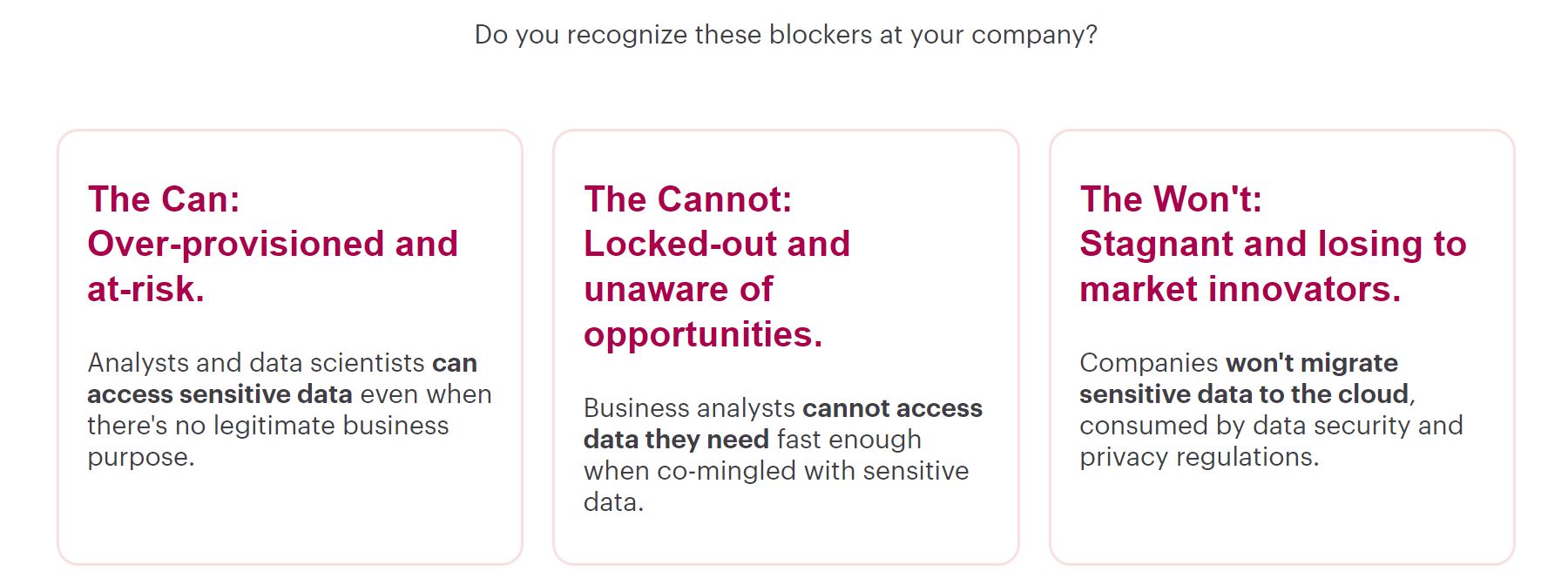
The Can: Over-provisioned and at-risk.
One significant obstacle in the path to data monetization is over-provisioning. Often, analysts and data scientists have access to sensitive data without a legitimate business purpose. In recent years, governments worldwide have recognized the importance of data privacy for consumers. The era of storing data for broad analytics and sharing with all parties has come to an end. Companies must now align data access with legitimate business purposes, with the consent of the data subject.
In practical terms, this means establishing granular access levels for datasets. Some fields may be broadly available, while others are tightly restricted. Companies need to identify where sensitive data resides and for what purposes, then allocate permissions accordingly. With the exponential growth of data, this complexity can be overwhelming. Many Chief Information Security Officers (CISOs) respond by taking the simplest route – locking down everything.
The Cannot: Locked-out and unaware of opportunities.
The second scenario involves locking down data with access managed through intricate manual processes and approvals. While this might seem like a security-focused approach, it can have adverse consequences. Business analysts and data scientists often find themselves unable to access the data they need promptly. What should take hours to answer may end up taking weeks or even months, all due to restrictive access policies.
In extreme cases, analysts might be duplicating datasets, unaware of their existence. Meanwhile, Business Intelligence (BI) teams might spend substantial amounts redesigning data models to segregate sensitive data. Unfortunately, this approach is bound to fail, as it’s not only time-consuming but also expensive.
The Won’t: Stagnant and losing to market innovators.
The third group of companies falls into a different trap altogether. They become overwhelmed by the data landscape and ignore opportunities to modernize their data platforms. Fears surrounding data security and privacy implications hold them back from embracing data democratization and innovation.
The key to becoming data-driven and innovative while maintaining effective data security is striking a delicate balance. Companies need to comprehend the data they possess, protecting it from unauthorized access while making it effortlessly accessible to those who need it for their roles.
Overcoming the Barriers to Monetization
Monetizing data is not just about having access to data; it’s about having the right access, at the right time, for the right people. To overcome these common barriers and unlock the full potential of data monetization, organizations can consider the following strategies:
1. Data Governance and Consent Management:
Implement robust data governance practices that ensure data access aligns with legitimate business purposes and adheres to data subject consent. This involves identifying sensitive data, documenting its use, and managing permissions effectively.
2. Automated Access Management:
Streamline access management through automation wherever possible. Manual processes can lead to delays and inefficiencies. Automated systems can grant or revoke access swiftly, reducing bottlenecks.
3. Data Discovery and Cataloging:
Invest in data discovery and cataloguing tools that enable teams to easily find and access relevant data. This not only improves data accessibility but also reduces duplication efforts.
4. Modernize Data Platforms:
Embrace modern data platforms that offer robust security features while enabling data democratization. Modern platforms can provide the agility required for innovation while maintaining data integrity.
5. Data Security Awareness:
Educate employees on the importance of data security and privacy. Building a culture of data security awareness can help strike the right balance between accessibility and protection.
Conclusion
Data monetisation is a powerful strategy for organizations seeking to extract value from their data assets. However, to succeed in this endeavour, it’s crucial to address the common barriers that hinder progress. By implementing strong data governance, automating access management, investing in data discovery tools, modernizing data platforms, and fostering data security awareness, businesses can unlock the true potential of their data assets. In doing so, they will not only drive innovation but also stay competitive in an increasingly data-centric business landscape.
Remember, data monetization isn’t just about data; it’s about how you manage and leverage it. Breaking down these barriers will pave the way for a successful journey towards data-driven prosperity.
 Data Quality Matters
Leave a comment