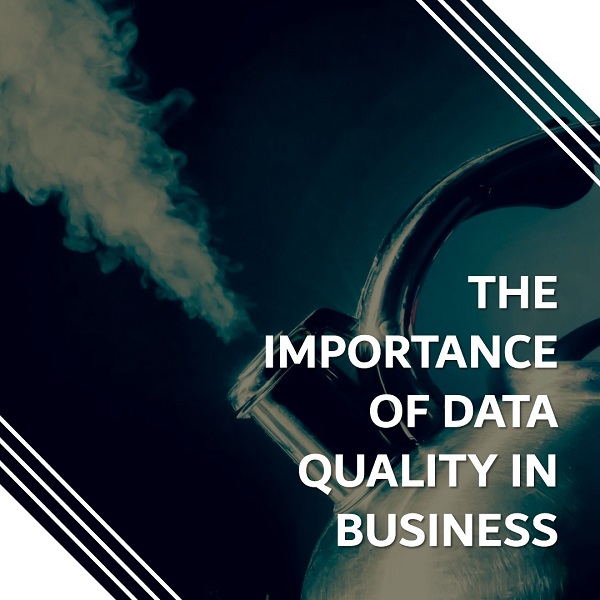
Remember the days of the whistling kettle? Those born after, say, 1990 might not. These trusty metal contraptions relied on a simple principle: a whistle on the spout that screamed its warning as the water reached a boil. But what happened when you got caught up in a book or lost in conversation? Burnt kettles and potential fire hazards were a common (and avoidable) occurrence.
Enter the automatic kettle. Equipped with a temperature-sensitive switch, it eliminates the risk of boiling dry entirely. While initially more expensive than their whistling counterparts, these automatic marvels represent a powerful metaphor for the importance of data quality in business.
Why Data Quality Matters: A Hot Topic
Just like a faulty kettle, poor data quality can cause significant problems for organizations. Here’s how investing in data quality pays off:
- Reduce Risk: Just as the automatic switch prevents fire hazards, accurate data minimizes business risks. Imagine processing financial transactions with incorrect figures – non-compliance fines or reputational damage could be disastrous. Poor customer data can also lead to frustrated clients and lost revenue.
- Increase Revenue: The beauty of the automatic kettle is the time saved. No more waiting by the stove, kettle in hand. You can utilize that saved time for something more productive. In the business world, clean data translates to efficiency and better decision-making. Imagine a marketing campaign targeted at the wrong audience – wasted resources and lost potential customers. By leveraging accurate data, businesses can personalize marketing strategies and boost sales.
- Cut Costs: Remember how automatic kettles lasted longer? They saved you money in the long run. Similarly, clean data reduces rework caused by errors and ensures resources are directed effectively. Think about the time and money wasted on undelivered packages due to incorrect addresses or the frustration (and cost) of customer service calls due to inaccurate account information.
The Recipe for Success: A Blend of Benefits
Building a strong business case for data quality involves incorporating elements from all three of these areas.
By showcasing the potential dangers of bad data, the increased revenue from accurate insights, and the cost savings from streamlined processes, you can convince stakeholders of the importance of data quality.
Just like the automatic kettle revolutionized your morning cup of tea or coffee, prioritizing data quality can revolutionize your business. It’s time to ditch the whistling and embrace the power of clean data!
 Data Quality Matters
Leave a comment