Data has become a valuable asset for businesses across various industries. From customer information to market trends, data provides crucial insights that can drive strategic decision-making and fuel growth. However, accounting for data as an asset presents unique challenges and requires businesses to adapt their financial reporting practices. In this article, we will explore the concept of data as an asset and discuss how it can be accounted for effectively.
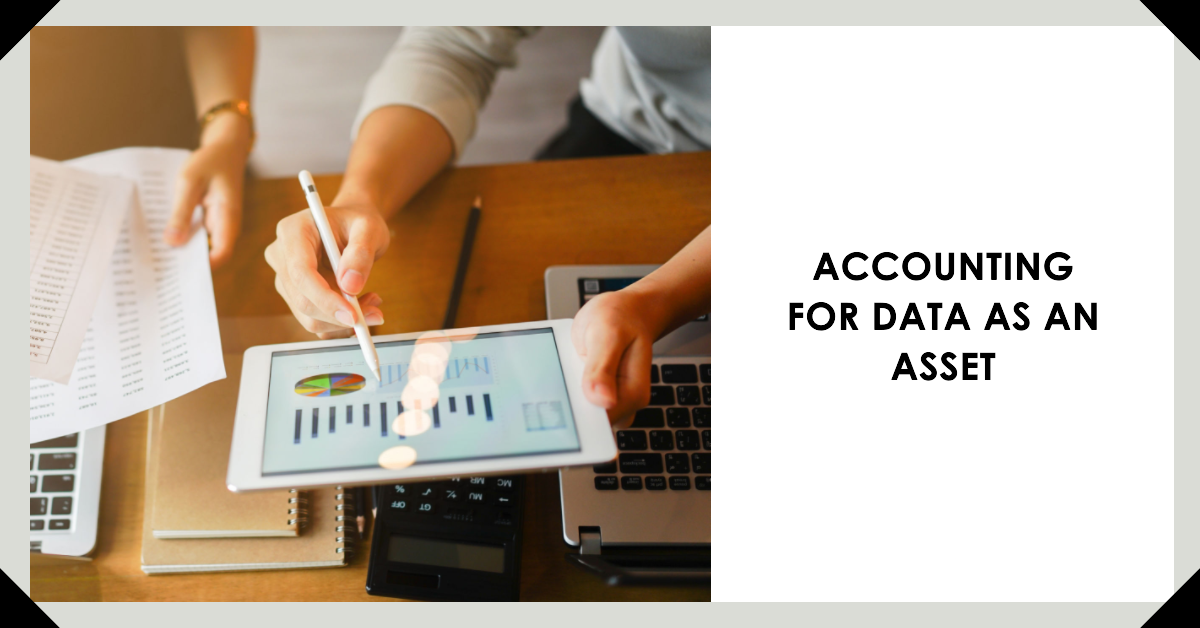
Table of Contents
- Introduction
- Understanding Data as an Asset
- Definition of Data as an Asset
- Types of Data Assets
- The Challenges of Accounting for Data
- Intangible Nature of Data
- Valuation and Measurement Difficulties
- Data Governance and Quality
- Strategies for Accounting for Data as an Asset
- Recognition and Initial Measurement
- Subsequent Measurement and Reporting
- Disclosure and Transparency
- Regulatory and Legal Considerations
- International Financial Reporting Standards (IFRS)
- Generally Accepted Accounting Principles (GAAP)
- Data Privacy and Security Regulations
- Benefits of Accounting for Data as an Asset
- Enhanced Decision-Making
- Improved Investor Confidence
- Valuation and Investment Opportunities
- Conclusion
- FAQs
Introduction
In the digital era, businesses are generating and collecting vast amounts of data. This data holds tremendous value, as it can reveal insights into consumer behaviour, market trends, and operational efficiency. As a result, data is increasingly recognized as a valuable financial asset that can contribute to a company’s success. However, traditional accounting practices often struggle to capture the true worth of data, leading to the need for new approaches and frameworks.
Understanding Data as an Asset
Definition of Data as an Asset
Data can be defined as structured or unstructured information that is collected, stored, and processed by an organization. It includes customer data, transaction records, market research, social media interactions, and more. When treated as an asset, data is seen as a resource that has the potential to generate economic benefits for a business.
Types of Data Assets
Data assets can be categorized into various types or domains, including:
- Customer Data: Information about customers’ demographics, preferences, and behaviors.
- Operational Data: Data related to a company’s internal operations, such as supply chain logistics or inventory management.
- Market Data: Information about market trends, competitor analysis, and consumer demand.
- Research and Development Data: Data generated through research initiatives, product testing, and innovation processes.
Each type of data asset holds unique value and contributes to different aspects of a business’s operations and decision-making.
The Challenges of Accounting for Data
Accounting for data as an asset poses several challenges that traditional accounting practices are not designed to handle. These challenges include:
Intangible Nature of Data
Unlike tangible assets such as machinery or buildings, data is intangible. It does not have a physical form and cannot be easily quantified or measured. This intangibility makes it difficult to assign a monetary value to data accurately.
Valuation and Measurement Difficulties
Determining the value of data requires considering multiple factors, including its relevance, accuracy, and timeliness. Additionally, data assets often have a limited lifespan, as they can become outdated or less valuable over time. Measuring the financial impact of data assets accurately can be complex.
Data Governance and Quality
Accounting for data as an asset necessitates maintaining robust data governance practices. Ensuring data quality, security, and compliance becomes crucial when data is treated as a valuable asset. Poor data governance can lead to unreliable financial reporting and hinder decision-making processes.
Strategies for Accounting for Data as an Asset
To effectively account for data as an asset, businesses can adopt the following strategies:
Recognition and Initial Measurement
Recognize data assets on the balance sheet as intangible assets. Assigning a value to data can be challenging, but businesses can consider factors such as the cost of data acquisition, data storage infrastructure, and data analytics capabilities.
Subsequent Measurement and Reporting
Regularly assess the value and usefulness of data assets to reflect their changing nature. Consider impairment testing to ensure the carrying value of data assets is not overstated. Develop appropriate reporting mechanisms to communicate the financial impact of data assets accurately.
Disclosure and Transparency
Enhance disclosures related to data assets in financial statements and reports. Provide information on data governance practices, data security measures, and the potential risks associated with data assets. Transparent reporting builds trust with stakeholders and demonstrates the value of data to the organization.
Regulatory and Legal Considerations
When accounting for data as an asset, businesses must consider regulatory frameworks and legal requirements. Key considerations include:
International Financial Reporting Standards (IFRS)
IFRS provides guidance on the recognition, measurement, and disclosure of intangible assets, which include data assets. Businesses should adhere to relevant IFRS standards to ensure compliance and comparability of financial statements.
Generally Accepted Accounting Principles (GAAP)
GAAP sets out accounting principles and standards followed in specific jurisdictions. Businesses operating in jurisdictions that adhere to GAAP should ensure their accounting practices align with the applicable GAAP guidelines.
Data Privacy and Security Regulations
Data privacy and security regulations, such as the California Consumer Privacy Act (CCPA), Europe’s Global Data Protection Regulation (GDPR, and South Africa’s Protection of Personal Information Act (PoPIA), impose obligations on businesses regarding the collection, processing, and storage of personal data. Compliance with these regulations is essential when accounting for data assets.
Benefits of Accounting for Data as an Asset
Accounting for data as an asset offers several benefits to businesses:
Enhanced Decision-Making
Treating data as an asset enables businesses to leverage insights for informed decision-making. Access to accurate and relevant data supports strategic planning, risk assessment, and operational improvements.
Improved Investor Confidence
Transparent reporting and recognition of data assets can enhance investor confidence. Investors are increasingly aware of the value of data in driving business success. Clear communication about data assets can attract potential investors and stakeholders.
Valuation and Investment Opportunities
Accounting for data as an asset allows businesses to explore valuation methods and uncover potential investment opportunities. Data monetization strategies, such as data licensing or collaborations, can contribute to revenue generation and diversification.
Conclusion
In today’s data-driven world, accounting for data as an asset is essential for businesses to stay competitive and make informed decisions. Although challenges exist in valuing and measuring data, adopting appropriate recognition, measurement, and reporting strategies can enable organizations to capture the true value of their data assets. By recognizing data as a valuable resource and adhering to regulatory guidelines, businesses can unlock potential for growth, innovation, and strategic advantage.
FAQs
How can data be considered an asset?
Data can be considered an asset when it is recognized as a valuable resource that can contribute to a business’s success. By treating data as an asset, businesses can leverage its insights to make informed decisions, improve operational efficiency, and identify growth opportunities.
How do you measure the value of data?
Measuring the value of data can be challenging due to its intangible nature. However, factors such as the cost of data acquisition, data storage infrastructure, and data analytics capabilities can be considered when assigning a value to data assets. Additionally, the relevance, accuracy, and timeliness of data also play a role in determining its value.
What are the challenges in accounting for data as an asset?
Accounting for data as an asset presents several challenges. These include the intangible nature of data, difficulties in valuation and measurement, and the need for robust data governance and quality management. Overcoming these challenges requires businesses to adopt appropriate recognition, measurement, and reporting strategies.
Are there any regulatory considerations for accounting data as an asset?
Yes, businesses need to consider regulatory frameworks and legal requirements when accounting for data as an asset. International Financial Reporting Standards (IFRS) provide guidance on recognizing, measuring, and disclosing intangible assets, including data assets. Additionally, businesses operating in jurisdictions that adhere to Generally Accepted Accounting Principles (GAAP) should ensure compliance with applicable guidelines. Data privacy and security regulations, such as the GDPR, also impose obligations on businesses regarding data collection, processing, and storage.
What are the benefits of accounting for data as an asset?
Accounting for data as an asset offers several benefits. It enhances decision-making by providing insights for strategic planning and risk assessment. Transparent reporting and recognition of data assets can improve investor confidence and attract potential stakeholders. Furthermore, accounting for data as an asset enables businesses to explore valuation methods and uncover investment opportunities, contributing to revenue generation and diversification.
 Data Quality Matters
Leave a comment