From informing strategic decisions to enhancing customer experiences, data has become the lifeblood of modern enterprises. However, the value of data is directly proportional to its quality. Inaccurate, inconsistent, or incomplete data can lead to costly errors and misguided decisions. This is where a comprehensive Data Quality Framework (DQF) comes into play.
Ensure data reliability and accuracy by integrating comprehensive data quality assurance protocols into your data management framework.
In this article, we will embark on a journey that takes us from the theory behind a DQF to its practical implementation, revealing how it can revolutionize your data management strategy.

Understanding the Data Quality Framework
Before delving into the practical aspects of implementing a DQF, let’s first establish a solid foundation by understanding what it is and why it matters.
Defining Data Quality
Data quality is most commonly defined as data that is fit for its intended purposes. It’s about having the right data in the right form, at the right time to make decisions or to support operational processes. It encompasses various dq dimensions including accuracy, completeness, consistency, reliability, and relevance.
The Data Quality Framework Explained
A Data Quality Framework is a structured approach to measure, manage, and improve the quality of data within an organization. It serves as a blueprint for ensuring that data is accurate, consistent, and reliable. It involves a combination of processes, policies, standards, and tools to assess and enhance data quality.
Why is Data Quality Important?
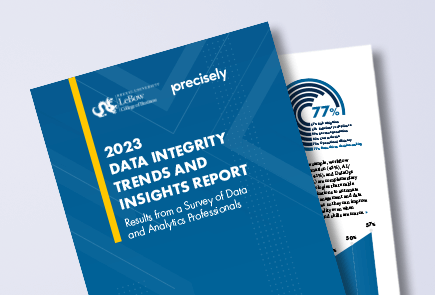
Before delving into the blueprint, let’s emphasize why data quality matters. Poor-quality data can lead to costly errors, misinformed decisions, and damaged reputation. The 2023 Data Integrity Trends and Insights report found that systemic data quality issues are the number one hurdle to successful data integration projects, negatively impact data preparation, and are a barrier to effective decision-making,
Building Blocks of a Data Quality Framework
1. Data Governance
Data governance is the foundation upon which the framework is built. It involves establishing data ownership, accountability, and defining processes for data handling. Data governance ensures that the right people are involved at every step of the data quality process – defining priorities, rules and standards, and managing data quality remediation processes.
2. Data Profiling and Assessment
Understanding your data is the first step. Data profiling tools help in discovering anomalies, gaps, and inconsistencies in the data.
3. Data Standardisation
Standardising data formats and definitions ensures consistency and ease of use across the organization.
4. Data Quality Metrics
Define measurable metrics to assess data quality. This can include accuracy rates, completeness percentages, and more.
5. Data Cleansing
Identified issues need to be addressed. Data cleansing involves correcting errors and ensuring data conforms to established standards.
6. Data Validation and Verification
Implement processes to validate data during entry and verify it when used, preventing erroneous data from entering the system.
7. Metadata Management
Managing metadata is crucial for understanding data lineage and ensuring data traceability.
8. Data Privacy and Security
Incorporate data privacy measures to comply with regulations and protect sensitive information.
From Theory to Implementation
1. Assessment and Planning
Begin with a comprehensive assessment of your current data quality status. Create a roadmap for implementing the framework.
2. Stakeholder Engagement
Engage both business and technical stakeholders. Communicate the value of data quality and how it aligns with organizational goals.
3. Technology Selection
Choose the right data quality tools and technologies to support your framework. This may include data quality software, data integration tools, automated data lineage tools, data catalogues, and more.
4. Data Quality Rules
Define specific data quality rules based on your organization’s needs. These rules will guide data quality checks.
5. Data Quality Monitoring
Implement continuous monitoring to ensure data quality standards are upheld over time.
6. Training and Awareness
Train your team on the importance of data quality and how to use the framework effectively.
7. Iterative Improvement
Data quality is an ongoing process. Regularly review and improve your framework to adapt to changing business needs.
An overview of published Data Quality Frameworks
Selecting the right data quality framework is akin to choosing the appropriate tools for a specific job. Each of the discussed frameworks has its unique strengths and weaknesses, making them suitable for different scenarios. Our proposed approach combines elements of each to provide an holistic approach for continuous improvement.
| Framework | Strengths | Weaknesses |
|---|---|---|
| Data Quality Maturity Model (DQMM) |
|
|
| Total Data Quality Management (TDQM) |
|
|
| Data Quality Scorecard (DQS) |
|
|
Conclusion
In conclusion, the journey from theory to implementation of a Data Quality Framework is a crucial one for organizations seeking to harness the power of their data. It’s not just about the data; it’s about leveraging it to make informed decisions, drive innovation, and gain a competitive edge. As a company with a rich history of providing data management solutions, we understand that the path to data quality excellence is paved with commitment, technology, and a deep understanding of both business and technical aspects.
So, embark on this journey with a well-defined Data Quality Framework, and you’ll find that your data becomes an asset, a trusted companion in your quest for business success.
FAQs
What is data quality, and why is it essential for businesses?
Data quality refers to the accuracy, completeness, consistency, reliability, and relevance of data. It’s crucial for businesses as it ensures that decisions are based on trustworthy information, leading to better outcomes.
How can a Data Quality Framework benefit my organization?
A Data Quality Framework helps improve data accuracy, enhances decision-making, reduces operational risks, and ensures compliance with data regulations.
Learn the essentials for achieving data excellence with data quality assurance and elevate your data management strategies.
Is data quality a one-time effort, or does it require continuous monitoring?
Data quality is an ongoing process. Continuous monitoring and improvement are necessary to maintain high data quality standards.
Gain insights into what constitutes a data quality project and its role in fostering data excellence within your organization.
What are some common challenges in implementing a Data Quality Framework?
Common challenges include resistance to change, lack of data quality awareness, and selecting the right technology solutions.
How can I get started with implementing a Data Quality Framework in my organization?
Start with a comprehensive assessment of your current data quality, engage stakeholders, define data quality rules, and select the right tools and technologies to support your framework.
 Data Quality Matters
Leave a comment