From customer transactions to sensor readings, the volume and variety of data is growing exponentially. Through 2024, we see organisations adopting data management strategies and technologies that help them to make sense of this data deluge.
Here are some key data management trends that will shape 2024:
- Cloud-Based Data Management: Transition to a Cloud-Centric Approach
- Automation & AI: Implement AI-Driven Automation
- Data Security and Privacy: Strengthen Data Protection Measures
- Self-Service Solutions: Promote Data Literacy and Self-Serve Capabilities
- Real-Time Data Integration: Optimize Real-Time Integration Frameworks
- Data Governance: Embed Active Data Governance Practices
- Data Democratization: Establish Controlled Access Mechanisms
- Data Fabric: Integrate Data Silos into a Unified Structure
- Data Lake Management: Develop Data Lake Governance Strategies
- Data Lineage: Implement Automated Data Lineage Tracking

1. Cloud-Based Data Management:
Cloud-based data management solutions are becoming increasingly popular due to their scalability, flexibility, and cost-effectiveness. These solutions allow businesses to easily store, manage, and analyze their data in the cloud, without the need for expensive on-premises infrastructure.
Key Action: Transition to a Cloud-Centric Approach
Actionable Step: Evaluate and migrate suitable data infrastructure to cloud-based solutions, leveraging their scalability and cost-efficiency to streamline storage, analysis, and processing capabilities.

2. Automation & AI:
Automation and artificial intelligence (AI) are playing an increasingly important role in data management. These technologies can automate routine tasks, such as data cleansing and transformation, freeing up time for data professionals to focus on more strategic initiatives. Additionally, AI can be used to analyze data and identify patterns and trends that would be difficult to detect manually.
Key Action: Implement AI-Driven Automation
Actionable Step: Deploy AI-powered tools to automate routine data tasks, freeing up resources for strategic endeavours while uncovering deep insights for informed decision-making.

3. Data Security and Privacy:
Data security and privacy are becoming increasingly important as businesses collect and store more personal data. In 2024, we can expect to see investment in tighter data privacy and security measures, such as encryption, anonymisation and data governance policies.
Key Action: Strengthen Data Protection Measures
Actionable Step: Invest in robust encryption, anonymization, and stringent data governance policies to fortify data security, ensuring compliance and building trust.

4. Self-Service Solutions:
As data becomes more central to business operations, there is a growing demand for self-service data solutions. These solutions allow business users to access and analyze data without the need for IT support. This trend is driven by the increasing use of cloud-based data management solutions and the growing popularity of data visualization tools.
Key Action: Promote Data Literacy and Self-Serve Capabilities
Actionable Step: Empower users with data literacy programs and intuitive tools for self-service data access and analysis, reducing dependence on IT support.

5. Real-Time Data Integration:
With the rise of real-time applications, businesses are increasingly demanding real-time data integration. This means that data needs to be integrated from multiple sources and made available to users in real-time. Real-time data integration can be achieved through a variety of technologies, such as data streaming and data pipelines.
Key Action: Optimize Real-Time Integration Frameworks
Actionable Step: Implement efficient data streaming and pipeline technologies to integrate diverse data sources in real-time, enabling swift and agile decision-making.
6. Data Governance:
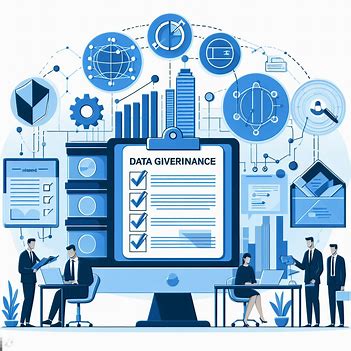
Data governance is becoming increasingly important as businesses collect and store more data. Data governance policies and procedures help to ensure that data is accurate, complete, and reliable. They also help to protect data from unauthorized access and use. Active data governance approaches embed governance into day-to-day activities, with a focus on empowerment and value.
Key Action: Embed Active Data Governance Practices
Actionable Step: Incorporate governance into daily operations, ensuring data accuracy and compliance through active monitoring and enforcement.

7. Data Democratization:
Data democratization is the process of making data accessible to all employees within an organization. This trend is driven by the increasing use of self-service data solutions and the growing popularity of data visualization tools. Data democratization can help to improve decision-making, increase productivity, and create a more data-driven culture.
However, organisations must ensure governance to balance the need for democratisation with the need to protect sensitive data and comply with regulations and must provide stakeholders with the business context to allow them to make informed decisions about data that they are using for analytics.
Key Action: Establish Controlled Access Mechanisms
Actionable Step: Create access controls and governance frameworks to balance data accessibility with privacy and compliance requirements.

8. Data Fabric:
A data fabric is a data management architecture that allows businesses to connect and integrate data from multiple sources. This can help businesses to break down data silos and make better use of their data.
Key Action: Integrate Data Silos into a Unified Structure
Actionable Step: Design and implement a cohesive data fabric architecture to break down data silos for comprehensive insights.

9. Data Lake Management:
Data lakes are repositories for large and diverse sets of data. In 2024, we can expect to see more businesses adopting data lake management solutions to help them manage their data lakes effectively.
Key Action: Develop Data Lake Governance Strategies
Actionable Step: Formulate effective data lake management protocols to curate and extract valuable insights from diverse data sets

10. Data Lineage:
Data lineage is the ability to track the origin and transformation of data. This can be helpful for businesses that need to comply with data privacy regulations or that want to understand how their data is being used. Automated, code-level lineage is the only practical approach to maintaining an accurate understanding of critical data flows and pipelines.
Key Action: Implement Automated Data Lineage Tracking
Actionable Step: Deploy automated tools for comprehensive data lineage tracking, ensuring compliance and transparency in data handling.
Conclusion:
These are just a few of the key data management trends that will shape 2024. By staying ahead of these trends, businesses can make better use of their data and gain a competitive advantage.
Additional Resources:
 Data Quality Matters
Leave a comment