Navigating the SASSA Dispute and Unraveling the Enigma of “Creepy” Data
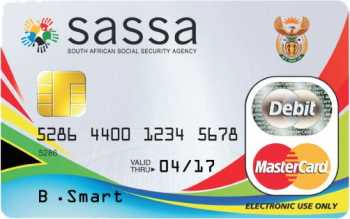
In recent times, a palpable buzz has enveloped many South Africans as the Net1 contract renewal to administer social grants came under intense scrutiny. While I abstain from dissecting the merits of the Net1 verdict – my access to factual information is limited – the complexities surrounding potential alternatives and their ability to fulfil the necessary service remain enigmatic.
A Resounding Call to Ethical Data Usage
Balancing the Thin Line Between Insightful and “Creepy” Data
Last week, I posted a fascinating lecture by Professor Thomas Lumley, in which, he highlights how data management issues affect data scientists. Among the intriguing topics he traversed, the concept of “creepy” data emerged as a focal point.
Professor Lumley thoughtfully explores the ethical conundrum of employing data to decipher customer behaviours and preferences. An excess of insight can inadvertently unsettle consumers, as discussed in our piece on the ramifications of poor big data governance.
In this vein, data scientists are prompted to introspect the ethical ramifications of their data utilization. Ensuring that insights derived are respectful and non-offensive to the target audience becomes a paramount consideration.
Bridging the Gap: Creepy Data and the SASSA / Net1 Conundrum
Shedding Light on the Nexus of Creepy Data and the SASSA / Net1 Predicament
The echoes of “creepy” data reverberate through the lens of the SASSA and Net1 saga. Key allegations against Net1 unveil its purported misuse of privileged position and access to grants data for promoting financial products, including micro-loans and insurance, to grant recipients.
Net1 vehemently asserts its non-utilization of data or position for marketing to beneficiaries. However, the Daily Maverick’s exposé presents a stark contrast, indicating that nearly 80% of Net1’s revenue stems from financial services exclusive to grant recipients. These services are channelled through Grindrod bank accounts, necessitated for grant payment reception.
Upholding Privacy and Ethics: The Constitutional Court Directive
Championing Data Privacy and Ethical Usage in a Landmark Ruling
The Constitutional Court’s decree mandates the symbiotic safeguarding of data providers (SASSA) and data consumers/service providers (Net1). The ruling explicitly stipulates:
6. SASSA and CPS are directed to ensure payment of social grants to grant beneficiaries from 1 April 2017, for a period of 12 months, on the same terms and conditions as those in the current contract between them that will expire on 31 March 2017, subject to these further conditions:
6.1 The terms and conditions shall:
(a) contain adequate safeguards to ensure that personal data obtained in the payment process remains private and may not be used for any purpose other than payment of the grants or any other purpose sanctioned by the Minister in terms of section 20(3) and (4) of the Social Assistance Act 13 of 2004; and (b) preclude anyone from inviting beneficiaries to “opt-in” to the sharing of confidential information for the marketing of goods and services.
It is important to recognize that this ruling impacts both the data provider (SASSA) and the data consumer/ service provider (Net1) and that both parties are required to provide these safeguards.
Navigating the Risk Terrain: Abuse of Personal Data
Unraveling the Implications of Data Misuse and the Path Forward
While the judgment refrains from explicitly denouncing Net1’s past data utilization as unlawful, it firmly bars similar practices in the future. The financial stakes are formidable, with Net1 deriving a substantial 79% of revenue from services catered to the underprivileged.
Net1’s major shareholder, Allan Gray, has felt the reverberations, necessitating corrective action to alleviate public concerns about opportunistic profiteering. The company’s COO, Rob Dower, raises a poignant query: Does selling financial products to the less fortunate raise ethical questions, especially when sourced from their bank accounts?
“If Net1 doesn’t use the grant data to improperly sell financial products to the poor, then the difficult question that remains is whether it is bad or wrong to sell financial products to the poor at all and / or to allow poor people to pay for these from their bank accounts.”
Allan Gray COO, Rob Dower
The Era of Data Protection: Paving the Way Forward
Anticipating the Impact of the Protection of Personal Information Act
The imminent Protection of Personal Information Act will catapult both visibility and penalties associated with erroneous personal data use. This ruling underscores that consumers’ entitlement to data protection and equitable utilization is deeply entrenched.
Companies must articulate their ethical and legal obligations unequivocally, fostering a comprehensive shield to guard against operational and analytical misuse. The threshold for “fair use” must be met to avert parallel risks.
 Data Quality Matters
Leave a reply to Cameron Nash Cancel reply