Stay ahead of the curve by mastering techniques for enhancing Customer Data Quality
Understanding and mastering omnichannel conversations is a critical key to successful customer engagement in the digital age. In this article, we’ll delve into the highlights of my presentation, exploring the channels customers prefer, the distinction between multichannel and omnichannel, and the essential role that data quality plays in making these conversations seamless and effective.

Customer Preferences: Insights from the CMO Council
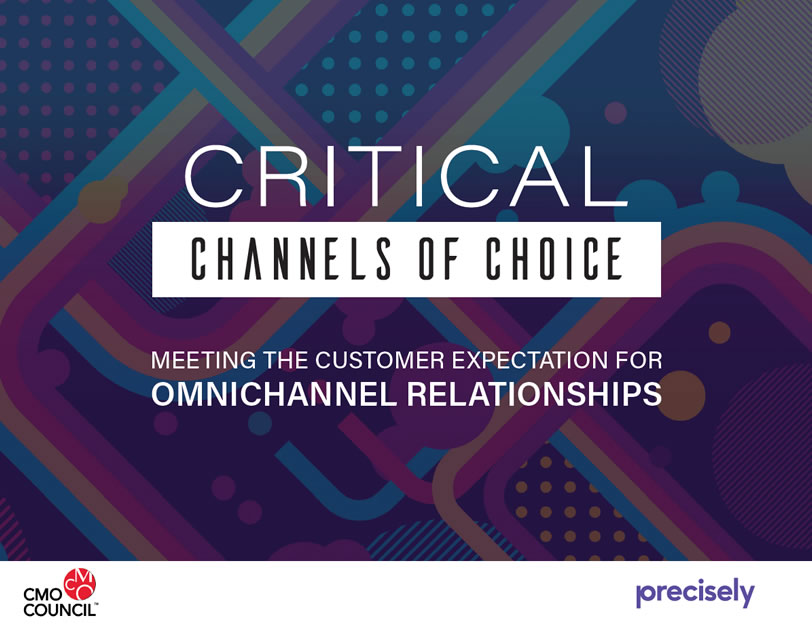
Understanding customer preferences is the foundation of successful omnichannel marketing. During my presentation, I discussed key insights drawn from research conducted by the CMO Council. This research sheds light on the channels that customers prefer to engage with. These insights are invaluable for crafting marketing strategies that resonate with your target audience.
The CMO Council’s research has shown that customers are not uniform in their channel preferences. Some prefer traditional channels like email and phone calls, while others gravitate towards newer digital channels such as social media and chat apps. To make omnichannel conversations work for your brand, it’s essential to tailor your approach to align with these preferences.
Multichannel vs. Omnichannel: Navigating the Differences
One of the key points I addressed during my presentation was the distinction between multichannel and omnichannel marketing strategies. While these terms are often used interchangeably, they represent different approaches with varying levels of complexity and customer-centricity.
Multichannel Marketing involves using multiple communication channels to reach customers. However, these channels often operate in silos, with minimal interaction between them. Customers may receive messages through various channels, but these messages may not be coordinated or synchronized.
Omnichannel Marketing, on the other hand, is a more advanced approach. It focuses on providing a seamless and integrated customer experience across all channels. In an omnichannel strategy, customer interactions are consistent and interconnected, regardless of the channel they occur on. This approach is customer-centric, recognizing that customers may switch between channels during their journey, and aims to provide a cohesive experience at every touchpoint.
The Data Integrity Challenge
One of the most critical aspects of successful omnichannel conversations is data integrity. Data is the glue that holds omnichannel strategies together. During my presentation, I highlighted the significant challenges organizations face in ensuring data integrity.
Data integrity refers to the accuracy, consistency, and reliability of data throughout its lifecycle. In the context of omnichannel marketing, data integrity is essential because it underpins the ability to provide a seamless experience across channels. Here are some of the key data integrity challenges that I discussed:
1. Data Siloes: Many organizations have data scattered across different departments and systems. These data siloes hinder the ability to have a holistic view of the customer. During my presentation, I shared a case study of a major African bank that faced this challenge. We developed a high-level data model to break down these siloes, enabling the bank to have a unified view of customer data.
2. Data Quality: Inaccurate or outdated data can lead to embarrassing and ineffective interactions with customers. Ensuring data quality is an ongoing process that involves data cleansing, validation, and enrichment.
3. Data Security: With the increasing emphasis on data privacy and security, organizations must also ensure that customer data is protected and compliant with relevant regulations.
A High-Level Data Model for Omnichannel Success
To address the data integrity challenges, I shared insights into a high-level data model that we developed for the African bank. This model aimed to break down data siloes and create a unified view of customer data. Here are some key components of this model:
1. Data Integration: We integrated data from various sources within the organization, including CRM systems, marketing databases, and transactional systems. This integration allowed for a more comprehensive understanding of the customer.
2. Customer Profiles: The data model included a centralized customer profile that aggregated information from all touchpoints. This profile was updated in real-time to ensure accuracy.
3. Analytics and Insights: The integrated data allowed for more robust analytics and insights. The bank could now analyze customer behaviour across channels, identify trends, and personalize marketing efforts.
Conclusion
In today’s digital landscape, creating conversions through omnichannel conversations is not just a buzzword; it’s a necessity for businesses looking to thrive. Understanding customer preferences, differentiating between multichannel and omnichannel strategies, and addressing data integrity challenges are all crucial steps on this journey.
The future of successful customer engagement lies in our ability to navigate the complexities of omnichannel conversations and deliver seamless, personalized experiences.
Now, unlock the potential of big data in marketing and discover techniques for extracting valuable insights.
Dive into the significance of data integrity in business engagement and its impact on organizational success.
 Data Quality Matters
Leave a comment