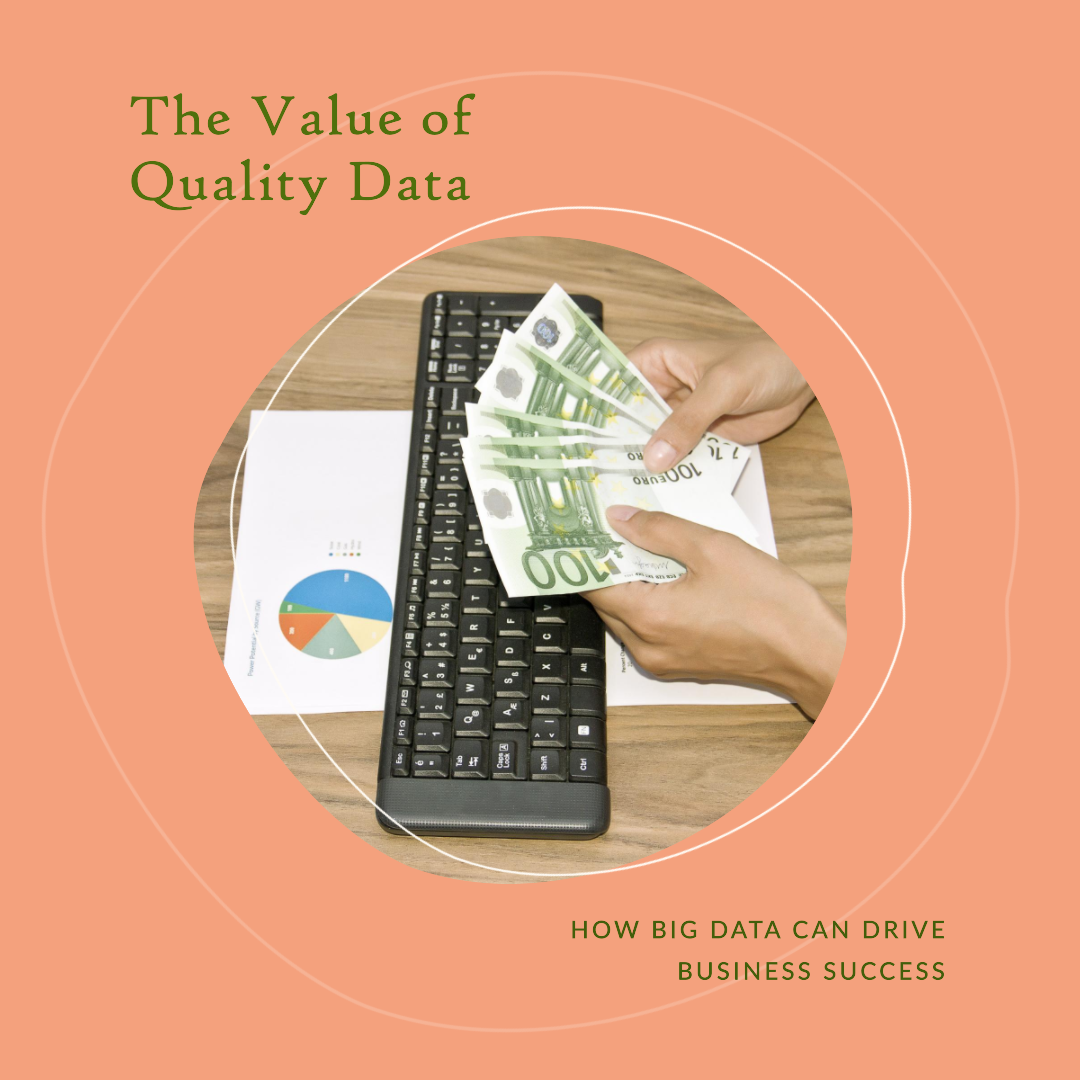
In the ever-evolving landscape of business, one thing has become abundantly clear – quality data is king. But just how valuable is it, in terms of cold, hard cash? And what steps can businesses take to maximize the value of their data assets? If you’re seeking answers to these questions, you’re in the right place.
How can you ensure the quality of the data you are using for big data insights. We have years of experience in delivering enterprise data quality solutions for African businesses.
Big Data’s Role in Business
Big data has firmly established itself as the backbone of modern business operations. It’s the digital thread that weaves through every facet of an organization, offering a panoramic view of its inner workings. Whether it’s tracking customer behaviour, optimising supply chains, or fine-tuning marketing strategies, big data holds the key to informed decision-making.
However, there’s a critical caveat – trust. To unlock the true potential of big data, businesses must first be able to trust their data implicitly. In essence, data integrity is the linchpin upon which this trust is built.
Quality Data: Quantifying Its Value
The question that often arises is: What is the actual worth of quality data? The answer isn’t a one-size-fits-all number, as it can vary significantly from one business to another. Nevertheless, it’s safe to say that quality data translates into substantial financial value for businesses.
Quality data serves as a catalyst for revenue growth by enabling organizations to make informed decisions, personalize experiences, and optimize operations.
Quality data equips organizations with the ability to make precise decisions. It’s akin to having a reliable GPS guiding you through a dense forest; it prevents costly detours and dead ends. With quality data, businesses can trim excess fat from their operations, ensuring they remain agile and competitive.
Moreover, it becomes the bedrock for measuring the efficacy of various business endeavours. From the success of marketing campaigns to the impact of new product releases, quality data serves as the compass by which organizations navigate their journey towards success.
In essence, quality data isn’t just an asset; it’s a strategic cornerstone. It empowers businesses to make informed choices and pivot with confidence.
Explore the various ways quality data increases revenue, from enhancing customer targeting and segmentation to improving marketing effectiveness and driving repeat business. By leveraging clean, accurate, and reliable data, organizations can unlock new revenue streams, maximize customer lifetime value, and stay ahead of the competition in today’s data-driven economy.
Maximizing Returns on Big Data Investment
Digging deeper into the data landscape, it’s evident that the value isn’t solely derived from accumulating mountains of data. It’s about harnessing the power of the data you already possess.
Many studies and statistics underscore this point. They emphasize not just the potential for making money through big data and data analytics but also the significance of optimizing existing data operations.
What does this optimization entail? Primarily, it revolves around upholding the standards of data quality and integrity.
Today, the process of collecting vast amounts of data and running analytics has become more accessible than ever. The advent of cloud technology has made data storage both affordable and convenient. Integrated data analytics platforms simplify the journey from data collection to interpretation.
However, here’s the catch – if organizations base their big data and analytics initiatives on low-quality data and pay little attention to data integrity, they’re setting themselves up for disappointment.
Consider this scenario: You invest millions in a cutting-edge data storage and analytics solution. Yet, if the data you feed into this system is riddled with inconsistencies, inaccuracies, or other issues, the insights derived from it will be misleading. These insights won’t aid in crafting the right marketing strategy, predicting customer behaviour, or providing the critical insights that only quality data can deliver.
How Does Poor Data Quality Impact Customer Experience?
Poor data quality has a detrimental impact on customer experience, eroding trust, and damaging brand reputation.
Delve into the repercussions of poor data quality on customer experience to understand how inaccuracies, inconsistencies, and errors in customer data can lead to frustration, inconvenience, and dissatisfaction.
From shipping delays to billing errors, poor data quality undermines customer trust and loyalty, ultimately impacting revenue and long-term relationships.
How Does Data Quality Impact Business Decisions?
Data quality plays a pivotal role in shaping business decisions, influencing strategy formulation, and operational execution.
Explore the significance of data quality on business decisions by understanding how accurate, reliable, and timely data insights drive informed decision-making. From financial forecasting to market segmentation, organizations rely on high-quality data to mitigate risks, seize opportunities, and stay agile in today’s competitive landscape.
By prioritizing data quality initiatives, businesses can enhance decision accuracy, improve outcomes, and drive sustainable growth.
To learn more about how Master Data Management and Precisely can help you ensure trust and quality in your big data, we invite you to read the Precisely eBook: “Governing Volume: Ensuring Trust and Quality in Big Data.“
Conclusion: The Data Quality Difference
In the realm of big data, there’s a crucial takeaway – always factor in data quality and integrity. This is the dividing line between companies that merely engage in big data because it’s trendy and those that use it to generate substantial returns on their investment.
At Master Data Management, we understand the paramount importance of data quality.
Our data integration and data quality products are designed to ensure that your enterprise data assets maintain the highest level of integrity. This commitment to quality translates into trusted and actionable insights, the very essence of maximizing the value of big data for your business.
In conclusion, the value of big data isn’t just in its quantity but, more importantly, in its quality. Investing in data quality isn’t an expense; it’s a strategic move that addresses the top challenges of BI and pays dividends. So, before you dive head-first into the big data world, remember that data quality and integrity are the keys to unlocking its full potential.
 Data Quality Matters
Leave a comment