In today’s rapidly evolving digital landscape, data has emerged as a cornerstone of business success. For a company to thrive, it must not only gather and store vast amounts of information but also ensure that this data is of the highest quality.
However, many organizations tend to overlook the significance of data quality, often leading to severe repercussions that ripple across various facets of their operations. In this article, we delve into the true cost of ignoring poor-quality data, shedding light on the hidden consequences that can jeopardize business growth, decision-making, and overall success. Build your business case for data quality and reap the benefits.
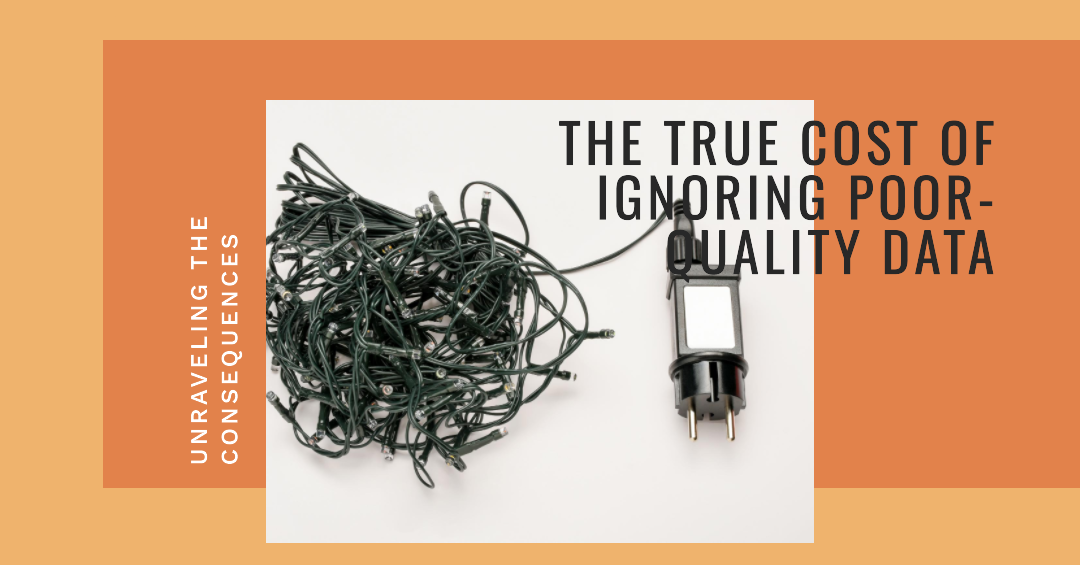
Table of Contents
- Introduction
- Understanding Data Quality
- The Deceptive Allure of Ignoring Data Quality
- Unveiling the Consequences of Poor-Quality Data
- Wasted Resources and Inefficiencies
- Damaged Decision-Making
- Erosion of Customer Trust
- Missed Opportunities for Innovation
- Regulatory and Compliance Risks
- The Multi-layered Approach to Data Quality Enhancement
- Implementing Robust Data Governance
- Embracing Advanced Data Quality Solutions
- Establishing Data Quality Metrics and KPIs
- Fostering a Culture of Data Responsibility
- The Role of Storytelling in Data Quality Advocacy
- Conclusion
- FAQs
Introduction
In a world driven by data, the quality of the information an organization possesses can mean the difference between success and failure. As a company with nearly two decades of experience in delivering data management solutions, we understand the intricacies of data governance, data quality, metadata management, and more. Our business-first approach combines technical expertise with storytelling, making complex concepts relatable and practical for both business and technical stakeholders.
Understanding Data Quality
Data quality is not merely a technical concern; it is the foundation upon which strategic decisions are built. Clean, accurate, and reliable data ensures that the insights derived from it are trustworthy and actionable. Poor-quality data, on the other hand, can have a cascading effect, leading to misguided decisions and operational inefficiencies – costing organisations an average of USD12.9 million a year.
The Deceptive Allure of Ignoring Data Quality
Amidst the daily whirlwind of activities, it’s easy for organizations to fall into the trap of neglecting data quality. The allure of focusing solely on data collection and storage, without considering its quality, can be deceiving. After all, poor data quality is not always immediately apparent, and its consequences tend to manifest gradually.
Here are some possible explanations:
- Lack of understanding: Some business leaders may not fully understand the importance of data quality and how it can impact their organization. They may not realize the potential consequences of poor data quality, such as inaccurate analytics, bad decisions, and harm to business performance.
- Low priority: Despite data quality being recognized as important on a superficial level, it is often treated as a low priority. The availability heuristic can lead to prioritising efficiency over accuracy. Other pressing issues or tasks may take precedence, leading to the neglect of data quality initiatives.
- Complexity and challenges: Ensuring data quality can be a complex and challenging task. It requires implementing processes, tools, and systems to monitor, cleanse, and validate data. Some organizations may find it difficult to allocate resources and expertise to address data quality issues.
- Data culture: In some cases, there may be a lack of a strong data culture within an organization. This can result in decision-makers questioning the reliability and accuracy of internal data, leading to a disregard for data quality initiatives
However, ignoring data quality can have significant negative consequences for businesses.
Unveiling the Consequences of Poor-Quality Data
4.1 Wasted Resources and Inefficiencies
Cutting corners on data quality might seem like a cost-saving measure initially, but it often results in the squandering of valuable resources. Time and effort are wasted on rectifying errors, reconciling discrepancies, and addressing inaccuracies that could have been prevented.
4.2 Damaged Decision-Making
Decisions rooted in unreliable data are akin to building a house on a shaky foundation. Poor-quality data leads to flawed insights, hindering effective decision-making at all levels of the organization. This can lead to missed opportunities, misguided strategies, and ultimately, a competitive disadvantage.
4.3 Erosion of Customer Trust
Inaccurate or outdated customer information erodes trust and damages relationships. From shipping errors to communication mishaps, poor data quality negatively impacts customer experiences, leading to dissatisfaction and potentially driving customers away.
4.4 Missed Opportunities for Innovation
In today’s data-driven landscape, innovation often hinges on the ability to uncover meaningful patterns and trends. Poor-quality data stifles this potential, depriving organizations of the insights needed to identify new opportunities, streamline processes, and stay ahead of the curve.
4.5 Regulatory and Compliance Risks
Ignorance of data quality can result in regulatory violations and compliance risks. Inaccurate reporting, failure to protect sensitive information, and inability to meet data-related regulations can lead to severe legal and financial consequences.
The Multi-layered Approach to Data Quality Enhancement
To mitigate the far-reaching effects of poor data quality, organizations must adopt a comprehensive approach to data management.
5.1 Implementing Robust Data Governance
Data governance lays the groundwork for data quality enhancement. By establishing clear ownership, accountability, and processes, organizations can ensure that data is managed consistently and accurately.
5.2 Embracing Advanced Data Quality Solutions
Cutting-edge data quality solutions leverage automation, machine learning, and artificial intelligence to detect and rectify data issues in real-time, minimizing the risk of poor-quality data infiltrating critical systems.
5.3 Establishing Data Quality Metrics and KPIs
Measuring data quality through well-defined metrics and key performance indicators (KPIs) provides a tangible way to track progress and continuously improve data-related processes.
5.4 Fostering a Culture of Data Responsibility
Empowering employees with data literacy and emphasizing the importance of data quality creates a culture where everyone is invested in maintaining the accuracy and integrity of organizational data.
The Role of Storytelling in Data Quality Advocacy
At our company, we recognize that technical concepts can often appear daunting to non-technical stakeholders. By incorporating storytelling into our approach, we bridge this gap, making data quality relatable and compelling. Through narratives, we illustrate the direct impact of poor data quality on everyday scenarios, driving home the need for proactive data management.
Conclusion
In the digital age, data is a priceless asset that demands vigilant protection. The true cost of ignoring poor-quality data extends far beyond initial appearances, encompassing wasted resources, damaged decision-making, eroded customer trust, missed innovation opportunities, and regulatory risks. By embracing data quality as a core tenet of business strategy and adopting a multi-layered approach to its enhancement, organizations can safeguard their operations and unlock the true potential of their data-driven endeavours.
FAQs
Why is data quality crucial for business success?
Ensuring data quality is essential because accurate and reliable data forms the basis of informed decision-making, efficient operations, and customer trust. IDC research shows that organisations that build trust in data see positive returns across a range of business metrics from customer satisfaction to employee retention to increased revenue.
Transactional data quality isn’t just a cog in the machine; it’s the engine driving efficiency. Discover its value and propel your operations forward.
How does poor data quality impact decision-making?
Sometimes, things go awry and business intelligence fails. Unraveling the reasons behind these failures is crucial for future success.
Poor data quality leads to misguided insights, which can result in flawed decisions, missed opportunities, and strategic misdirection.
What are the risks of ignoring data quality in regulatory compliance?
Ignoring data quality can lead to regulatory violations, non-compliance with data-related regulations, and subsequent legal and financial repercussions.
How can storytelling help promote data quality advocacy?
Storytelling makes complex data quality concepts relatable by illustrating their real-world impact, making them more compelling and understandable for non-technical stakeholders.
What is the link between data quality and innovation?
High-quality data enables organizations to identify trends, patterns, and opportunities, fueling innovation and providing a competitive edge in the market.
 Data Quality Matters
Leave a comment