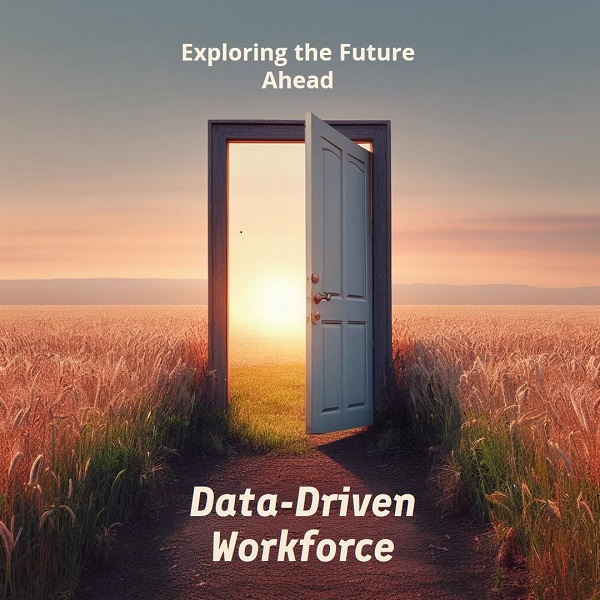
As we enjoy the last few hours of the year, I thought it could be fun to have a look forward, into the future of work and how this is undergoing a significant transformation, driven by technological advancements and changing societal needs. Data-driven insights are playing a pivotal role in shaping this new era of work, influencing everything from job roles and skill requirements to workplace culture and organizational structure.
- Key Drivers of Change
- The Role of Data in Decision-Making
- Preparing for the Future Workforce
- Conclusion
Key Drivers of Change
1. Evolving Job Roles:
Data analytics is helping to identify emerging job roles and skill gaps. As industries evolve, new roles are created, and existing roles are transformed. For instance, roles in artificial intelligence, cybersecurity, and data science are experiencing rapid growth. This shift necessitates a focus on developing the skills needed for these in-demand positions.
2. Skill Gaps and Workforce Development:
Organizations can leverage data to identify skill gaps within their workforce and implement targeted training programs. This proactive approach ensures that employees are equipped with the necessary skills to thrive in a changing work environment.
3. Talent Acquisition Optimization:
Data-driven insights can enhance talent acquisition strategies. By analyzing candidate data, organizations can identify top talent and streamline the hiring process. This allows companies to attract and retain the best talent.
The Role of Data in Decision-Making
1. Transforming Employee Experience:
Data can be used to analyze employee engagement and productivity, allowing organizations to identify factors affecting employee satisfaction. By implementing data-driven strategies, companies can create a more positive and productive work environment.
2. Leveraging Advanced Technologies:
Technologies like machine learning and artificial intelligence are revolutionizing the way organizations operate. Data-driven insights enable businesses to make informed decisions, improve efficiency, and drive innovation.
Preparing for the Future Workforce
1. Emphasizing Data Literacy:
As data becomes increasingly important, it’s crucial for employees to possess strong data literacy skills. Organizations should invest in training programs to equip their workforce with the ability to analyze data and make informed decisions.
2. Continuous Learning Environments:
Creating a culture of continuous learning is essential for adapting to the rapidly changing work environment. Organizations should provide opportunities for employees to acquire new skills and knowledge.
3. Flexible Work Models:
Flexible work arrangements, such as remote work and hybrid models, are becoming increasingly popular. These models can improve employee satisfaction, productivity, and work-life balance.
Conclusion
The future of work is inextricably linked to data-driven insights. By embracing data analytics, organizations can navigate the complexities of the modern employment landscape and position themselves for success.
Investing in data literacy, continuous learning, and flexible work models will be crucial for creating thriving workplaces that can adapt to future challenges.
Now check out our top data trends for 2025!
Welcome to the future and all the best for the New Year!
 Data Quality Matters
Leave a comment