In today’s fast-paced business landscape, where customer-centricity reigns supreme, organizations are constantly striving to deliver exceptional customer experiences. The key to achieving this lies not only in understanding your customers but also in harnessing the power of data to drive customer intelligence. In this article, we delve into the world of effective data governance and data quality as the linchpins of successful customer intelligence strategies.
Attention: The Challenge of Customer Experience
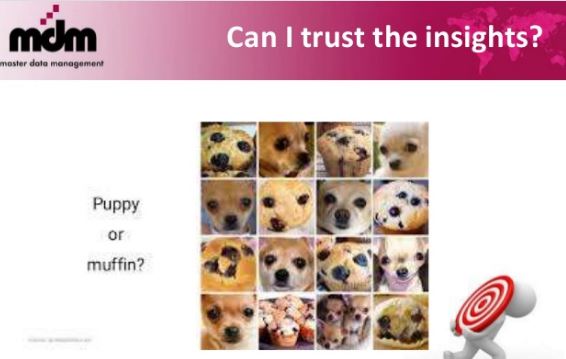
In a recent presentation at the Customer Analytics conference, the spotlight was cast upon the challenges of delivering an outstanding customer experience. One of the central hurdles discussed was the need to tap into new and often unstructured data sets. The rapid proliferation of data sources presents both an opportunity and a challenge. Organizations are awash with data, yet not all data is created equal. The real concern arises from the quality of the data being collected and its potential to mislead rather than illuminate.
Interest: The Role of Data Quality
Enter the realm of data quality. Data is the lifeblood of modern business, and its integrity is paramount. High-quality data fuels accurate analyses and informed decision-making. But what defines data quality? It encompasses accuracy, consistency, completeness, reliability, and timeliness. Data that lacks these attributes can lead to flawed insights and misguided actions. Consider the consequences of basing critical business strategies on inaccurate or incomplete data – the ramifications can be detrimental.
Data quality is not a mere technicality; it directly impacts the bottom line. Poor data quality translates to increased costs, missed opportunities, and compromised customer experiences. Building trust with customers relies on the ability to deliver accurate and personalized interactions. Data quality, therefore, becomes the bedrock upon which customer trust is built.
Desire: Navigating Trust and Privacy
As organizations amass vast volumes of customer data, concerns about trust, permission, and privacy come to the fore. Customers are rightfully vigilant about how their personal information is handled. Data breaches and privacy scandals have heightened the need for stringent data protection measures. The desire for personalized experiences must be balanced with the responsibility of safeguarding sensitive information.
This is where effective data governance enters the stage. Data governance establishes a framework that outlines who owns the data, how it is collected, stored, and accessed, and what safeguards are in place to ensure compliance with data privacy regulations. A well-defined data governance strategy instills confidence in customers, assuring them that their data is handled ethically and securely. It also shields organizations from legal and reputational risks that can arise from mishandling data.
Action: The Foundation of Customer Intelligence
Data governance and data quality are not isolated concepts; rather, they are interconnected pillars that fortify the foundation of customer intelligence. The journey towards understanding customers, predicting their preferences, and tailoring experiences begin with reliable and well-governed data. Organizations can no longer afford to treat data governance as an afterthought; it must be a deliberate and integral part of the customer intelligence strategy.
To embark on this journey, consider the following steps:
- Assessment: Evaluate your existing data quality and governance practices. Identify gaps and areas for improvement.
- Strategy Development: Craft a comprehensive data governance strategy that aligns with your business objectives and complies with data privacy regulations.
- Implementation: Put your strategy into action by implementing data quality measures, establishing data ownership, and setting up protocols for data access and usage.
- Monitoring and Iteration: Continuously monitor the effectiveness of your data governance and quality initiatives. Regularly update and refine your approach based on insights and feedback.
- Training and Education: Equip your team with the knowledge and skills needed to maintain high data quality standards and adhere to data governance protocols.
In Conclusion
As organizations navigate the complex landscape of customer intelligence, the significance of effective data governance and data quality cannot be overstated. The success of delivering exceptional customer experiences hinges upon the accuracy, reliability, and ethical handling of data. Data is not merely a tool; it is a strategic asset that has the potential to revolutionize customer interactions and drive business growth.
Unlocking customer intelligence is not a destination; it’s an ongoing journey that requires commitment, collaboration, and a steadfast dedication to data excellence. By embracing data governance and prioritizing data quality, organizations position themselves at the vanguard of customer-centric innovation, ready to transform data into actionable insights that redefine the customer experience.
For a deeper dive into the insights shared at the Customer Analytics conference, you can access the presentation here. Remember, the path to customer intelligence begins with data quality, and the journey is only limited by the extent of your data-driven aspirations.
 Data Quality Matters
Leave a comment